 advices-to-learn-language

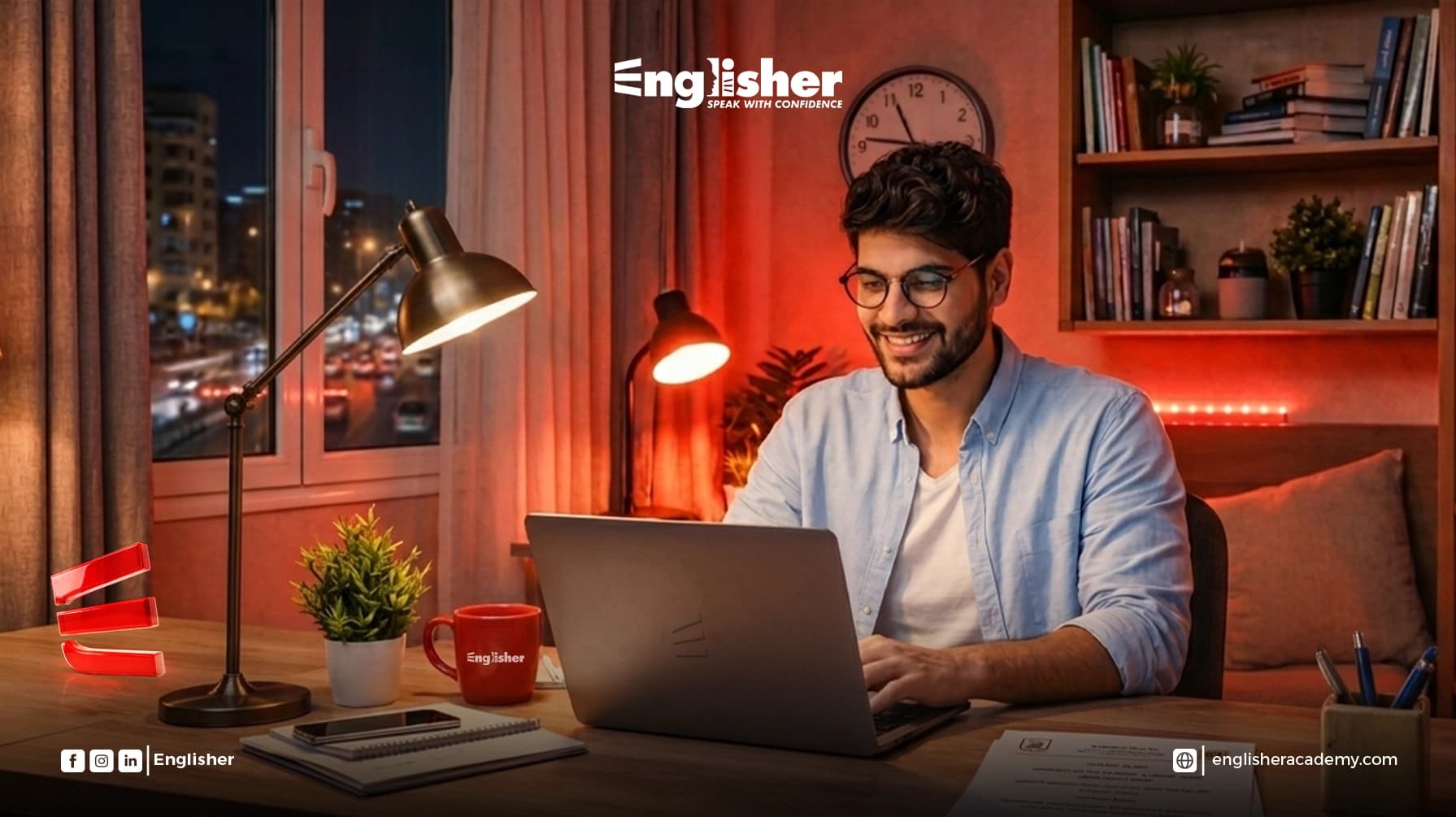
In today’s interconnected world, English language learning is no longer a luxury or an optional skill, it has become a fundamental requirement for personal growth, career advancement, and global communication. At the same time, traditional classroom-based education is no longer the only path to success. Millions of learners now ask the same important question: How to learn English at home in an effective and structured way?
With the rise of digital education, online resources, and interactive platforms, learning English from home has proven to be not only possible but, in many cases, more efficient than traditional learning methods. However, success does not depend on access to content alone. It depends on strategy, consistency, and choosing the right learning environment.
This comprehensive guide will explain how can I learn English at home, how to build a strong foundation, how to improve English skills step by step, and how to avoid the most common mistakes that prevent learners from making real progress.
Is It Really Possible to Learn English at Home?
One of the most common doubts among learners is whether learning English online or from home can truly deliver strong results. The answer is yes, learning English at home can be highly effective, provided that the learner follows a structured approach.
Modern English language learning focuses on real communication rather than memorization. Online learning environments now offer live interaction, personalized programs, speaking practice, and continuous feedback, elements that were once limited to physical classrooms.
The real challenge is not where you learn, but how you learn. Without a clear plan, learners often jump between videos, apps, and courses without measurable improvement. A successful home-learning journey requires clarity, discipline, and practical application.
How Can I Start Learning English from Home?
If you are wondering how can I start learning English, the first step is understanding your current level. Are you a complete beginner? Do you recognize words but struggle to speak? Or can you understand English but lack confidence?
Starting at the right level is critical. Many learners fail because they either begin with advanced material or waste time reviewing concepts they already know. A clear starting point saves time and increases motivation.
The second step is defining your goal. English language learning is not one-size-fits-all. Some learners want to improve speaking for work, others focus on pronunciation, while some aim for academic or travel purposes. Your goal determines your learning path.
How to Learn English at Home Step by Step
To truly understand how to learn English at home, it is important to follow a balanced system that develops all four core language skills: listening, speaking, reading, and writing.
Building Vocabulary the Smart Way
Vocabulary is the foundation of communication. Instead of memorizing long word lists, effective learners focus on commonly used words and phrases that appear in daily conversations. Context-based learning helps you remember vocabulary naturally and use it correctly.
Listening: The Gateway to Fluency
Listening is often underestimated, yet it plays a vital role in language acquisition. Exposure to natural English, through conversations, videos, or podcasts, trains your ear and improves pronunciation automatically. Even when full comprehension is not achieved, consistent listening accelerates progress.
Speaking from Day One
One of the biggest mistakes in English language learning is delaying speaking practice. Many learners wait until they feel “ready,” which often leads to fear and hesitation. Speaking regularly, even with mistakes, is essential to building fluency.
This is why modern platforms emphasize conversation-based learning. Programs such as SpeakCast provide learners with a relaxed environment to practice real conversations daily, helping them overcome fear and gain confidence naturally.
Learn English Online: Advantages of Home-Based Learning
Choosing to learn English online offers several advantages that traditional learning cannot always provide. Flexibility allows learners to study at their own pace and schedule. Personalized learning plans adapt to individual strengths and weaknesses. Most importantly, online learning provides access to global communities and diverse accents.
However, flexibility can become a disadvantage without structure. Successful learners treat home learning as a commitment, not a casual activity.
How to Improve English Effectively Without Overwhelm
Many learners ask how to improve English quickly, but improvement comes from consistency rather than speed. Small daily efforts are more effective than intense but irregular study sessions.
Improvement becomes visible when learners:
-
Practice speaking regularly
-
Receive constructive feedback
-
Apply English in real-life situations
-
Track progress over time
Personalized learning models, such as Private Elite, focus on designing lessons based on the learner’s level, goals, and learning style. This approach reduces wasted effort and ensures measurable results.
Overcoming the Fear of Speaking English
Confidence is often the biggest barrier in English language learning. Even learners with strong vocabulary and grammar hesitate to speak due to fear of mistakes. This psychological barrier can only be overcome through guided practice.
Programs like SpeakEazy and Speak with Confidence focus specifically on building speaking confidence through short, practical exercises and real conversations. These sessions help learners speak naturally without pressure, transforming passive knowledge into active communication skills.
Common Mistakes When Learning English at Home
Understanding what not to do is just as important as knowing what to do. The most common mistakes include:
-
Relying solely on grammar rules
-
Avoiding speaking practice
-
Studying without a clear goal
-
Lack of consistency
-
Learning without feedback
Avoiding these mistakes significantly improves the effectiveness of home learning.
Why Structured Learning Matters in Online Education
Self-study alone is rarely enough to achieve fluency. Learners need guidance, feedback, and accountability. This is where professional online academies make a difference.
Platforms like Englisher Academy combine flexibility with structure, offering learners a complete ecosystem that includes personalized learning, daily conversation practice, and confidence-building sessions. This integrated approach ensures that learners do not feel lost or isolated during their journey.
How Long Does It Take to Learn English at Home?
There is no fixed timeline for learning English, as progress depends on starting level, learning intensity, and consistency. However, learners who follow a structured plan and practice daily often notice significant improvement within a few months.
The key is sustainability. Learning English is a long-term investment, and steady progress is far more valuable than quick but temporary results.
Finally, Can You Really Master English from Home?
The answer is clear: yes. With the right mindset, tools, and support, learning English at home can be just as effective, if not more effective than traditional methods.
Success depends on clarity of goals, daily practice, real communication, and access to a supportive learning environment. When these elements come together, home learning transforms from a challenge into an empowering experience.
Start Your English Journey with Confidence
If you are serious about learning English at home and want a structured, professional, and results-driven approach, consider exploring the learning ecosystem offered by Englisher Academy.
With personalized programs, daily speaking opportunities, and confidence-focused sessions, learners can move beyond theory and start using English naturally and confidently.
Start today, and turn learning English into a skill that truly changes your life.